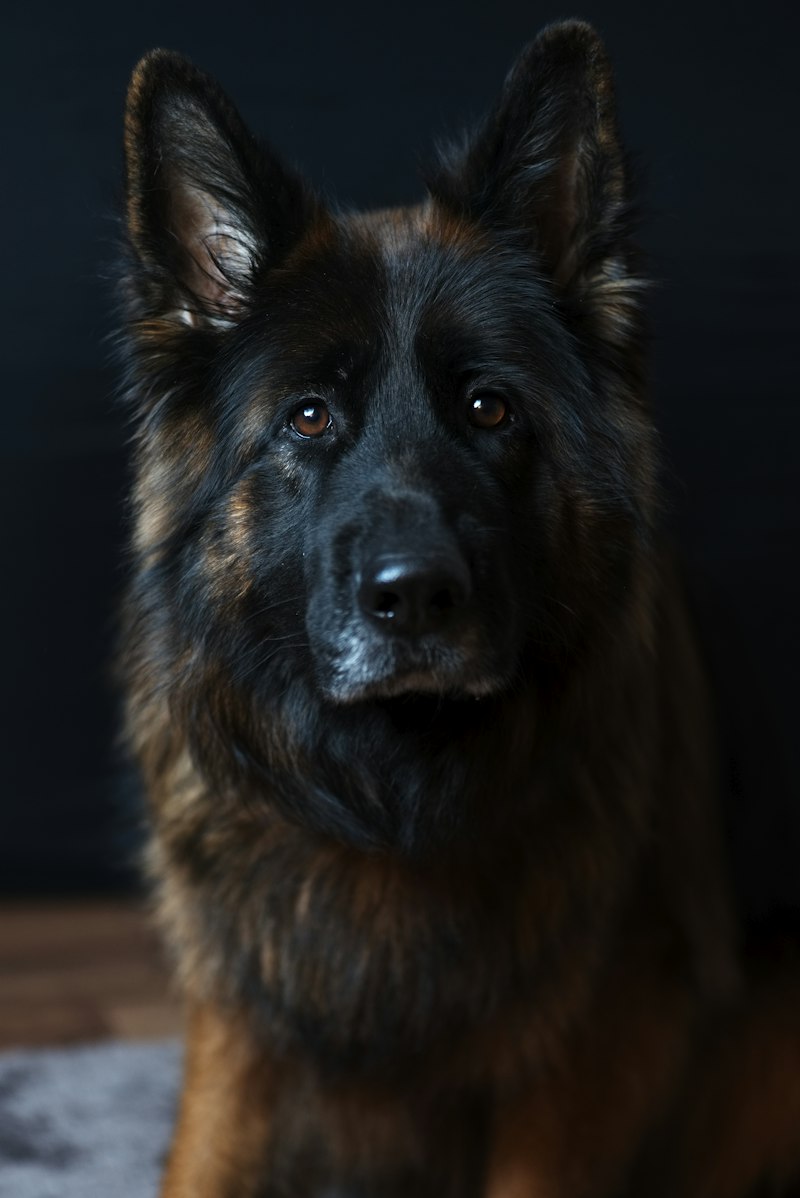
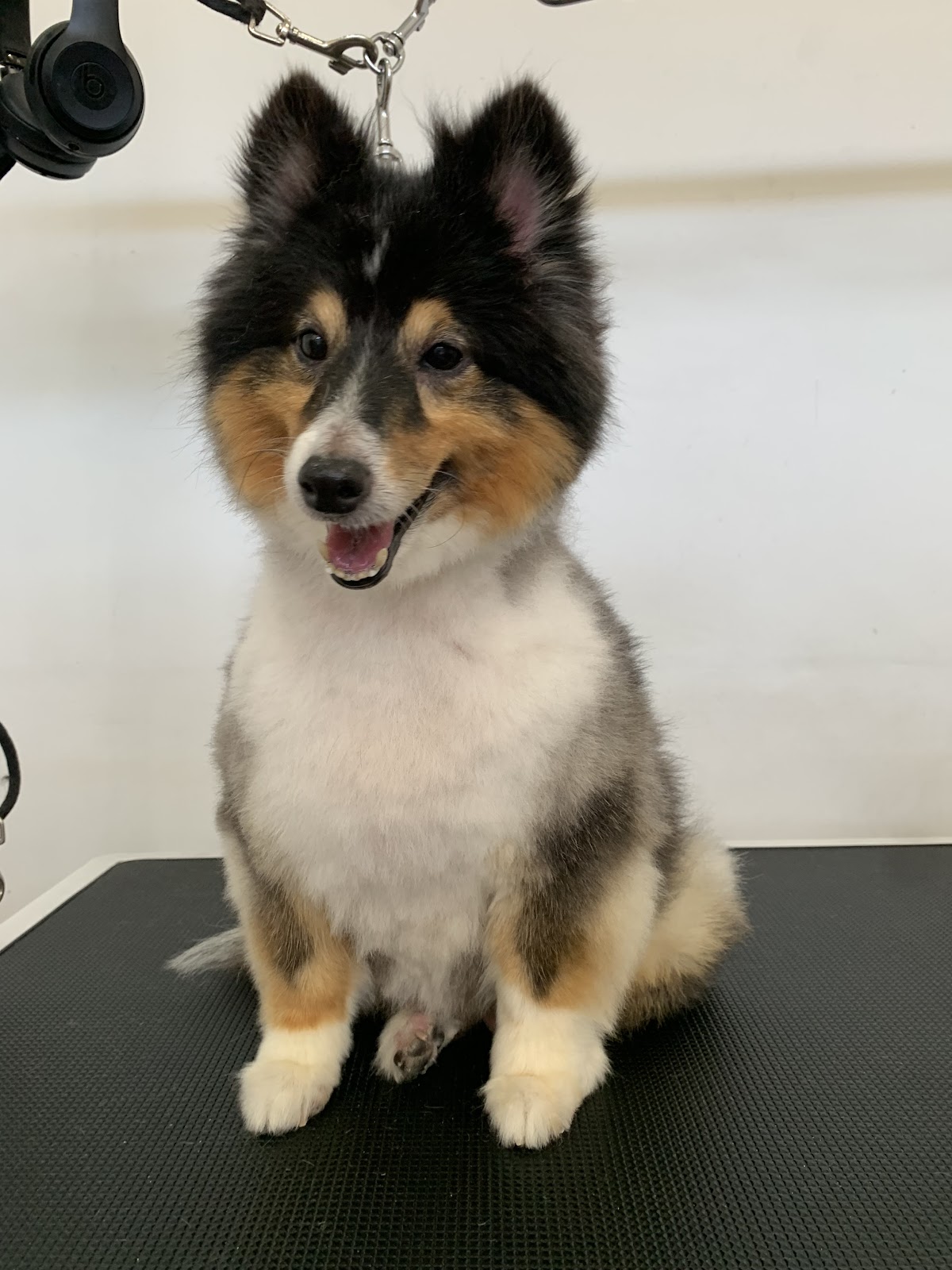
What does a de-shedding treatment look like on a Cocker Spaniel?
The de-shedding treatment on a Cocker Spaniel creates a deep removal of loose undercoat using specialised tools and techniques. The body is typically kept at no cutting — focuses on removing loose undercoat, with the face shaped n/a — de-shedding focuses on the body coat. The exact result depends on your Cocker Spaniel's individual coat texture — cocker spaniels have a silky, medium-length coat that holds this style well but requires regular brushing.
How often does a Cocker Spaniel need a de-shedding treatment?
Most cocker spaniels need their de-shedding treatment refreshed every 6-8 weeks. Their coat mats easily, so regular brushing every 2-3 days between grooms is essential.
How much does a de-shedding treatment cost for a Cocker Spaniel in Australia?
A de-shedding treatment for a Cocker Spaniel typically costs $70-$110 in Australia, depending on the salon, location, and coat condition. Matted coats often incur surcharges of $10-$30, so regular grooming keeps costs consistent.
How do I maintain a de-shedding treatment at home between grooms?
Most effective when done seasonally (spring and autumn). Regular brushing at home extends the results. For cocker spaniels specifically, pay extra attention to the areas behind the ears, armpits, and where collars or harnesses sit — these are the first places mats form.