
Groomably holds 1,085 photos of short-coated dogs — labradors, french bulldogs, beagles, chihuahuas, staffies, bull terriers, boxers and rottweilers — from 669 Australian salons. Two hundred and twenty-six of them carry a grooming-style tag.
The question short-coat owners ask is whether the appointment is worth booking at all. The data answers it with unusual clarity, and the answer is yes, but not for the reason you think:
65.5% of tagged short-coat photos are a bath and dry. The library baseline across all breeds is 31.0%. Just 4.0% are a full groom, against a 27.8% baseline — roughly one-seventh the national rate.
Short-haired dogs go to the groomer about as often as anyone else. They just do not get a haircut when they arrive.
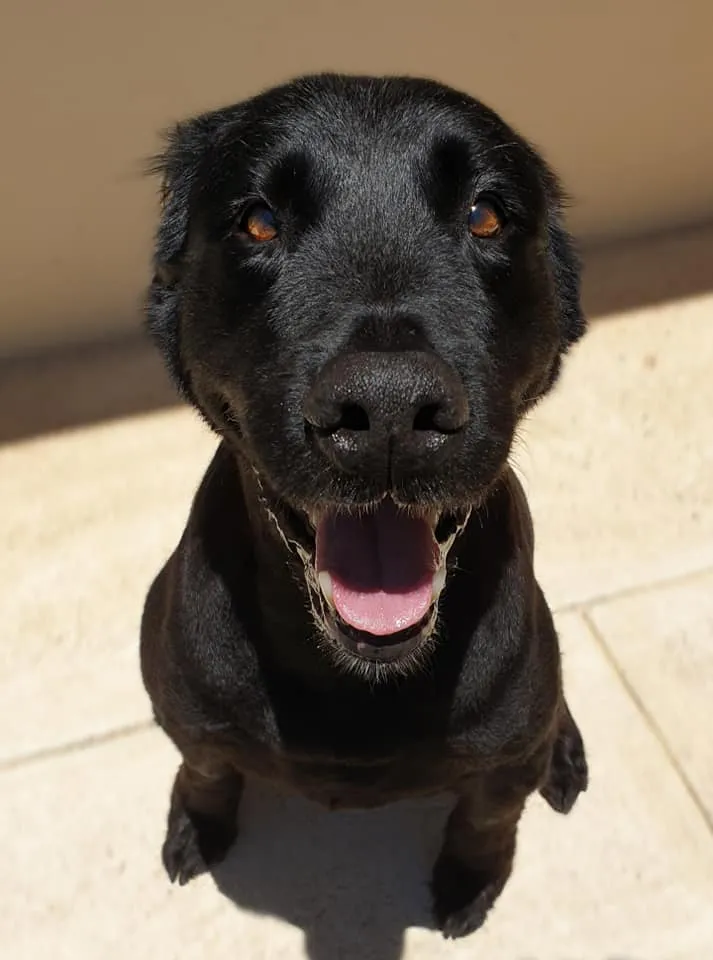 Photo: The Beez Kneez Dog Grooming, Halls Head WA — via Groomably
What short-coated dogs actually get at the salon
Of the 226 style-tagged short-coat photos in the library:
| Service | Photos | Share of tagged | Library baseline |
|---|---|---|---|
| Bath and dry | 148 | 65.5% | 31.0% |
| Nail trimming | 39 | 17.3% | 8.9% |
| De-shedding | 21 | 9.3% | 8.5% |
| Teddy bear cut | 14 | 6.2% | 38.6% |
| Full groom | 9 | 4.0% | 27.8% |
Photos can carry more than one tag, so the column sums above 226.
Three numbers are worth pausing on.
Bath-and-dry at 65.5% is more than double the baseline. This is the short-coat appointment. It is not a lesser version of a groom; it is a different service.
Nail trimming at 17.3% is roughly twice the baseline — the clearest signal in the table. Short-coat owners book nails as a service in its own right far more often than coated-breed owners, who get them done as part of a full groom they were booking anyway.
The teddy bear cut collapses from 38.6% to 6.2%, and the handful that remain are almost entirely mixed-breed dogs where a short-coated dog appears in a photo alongside a coated one. Essentially nobody is styling a labrador.
Why “short-haired” and “low-maintenance” are not the same thing
The assumption behind the question is that hair length equals workload. It does not, and the reason is that most short-coated breeds are double-coated.
A labrador, a corgi, a beagle, a rottweiler, a pug — all double-coated. They carry a dense woolly undercoat beneath a short, coarse outer coat, and that undercoat sheds in volume. A labrador sheds more hair per year than most cavoodles will in a lifetime. The hair is simply shorter, so it embeds in the carpet instead of rolling across the floorboards in visible tumbleweeds.
What that means practically: the short-coat grooming problem is a shedding problem, not a cutting problem. There is no hair to cut, and a great deal of hair to remove.
The genuinely single-coated short breeds — greyhounds, whippets, staffies, boxers, most chihuahuas — are the real low-maintenance dogs. They shed modestly, need little more than a wash and nails, and have essentially no undercoat to manage. If you own one of these, your grooming bill is legitimately small.
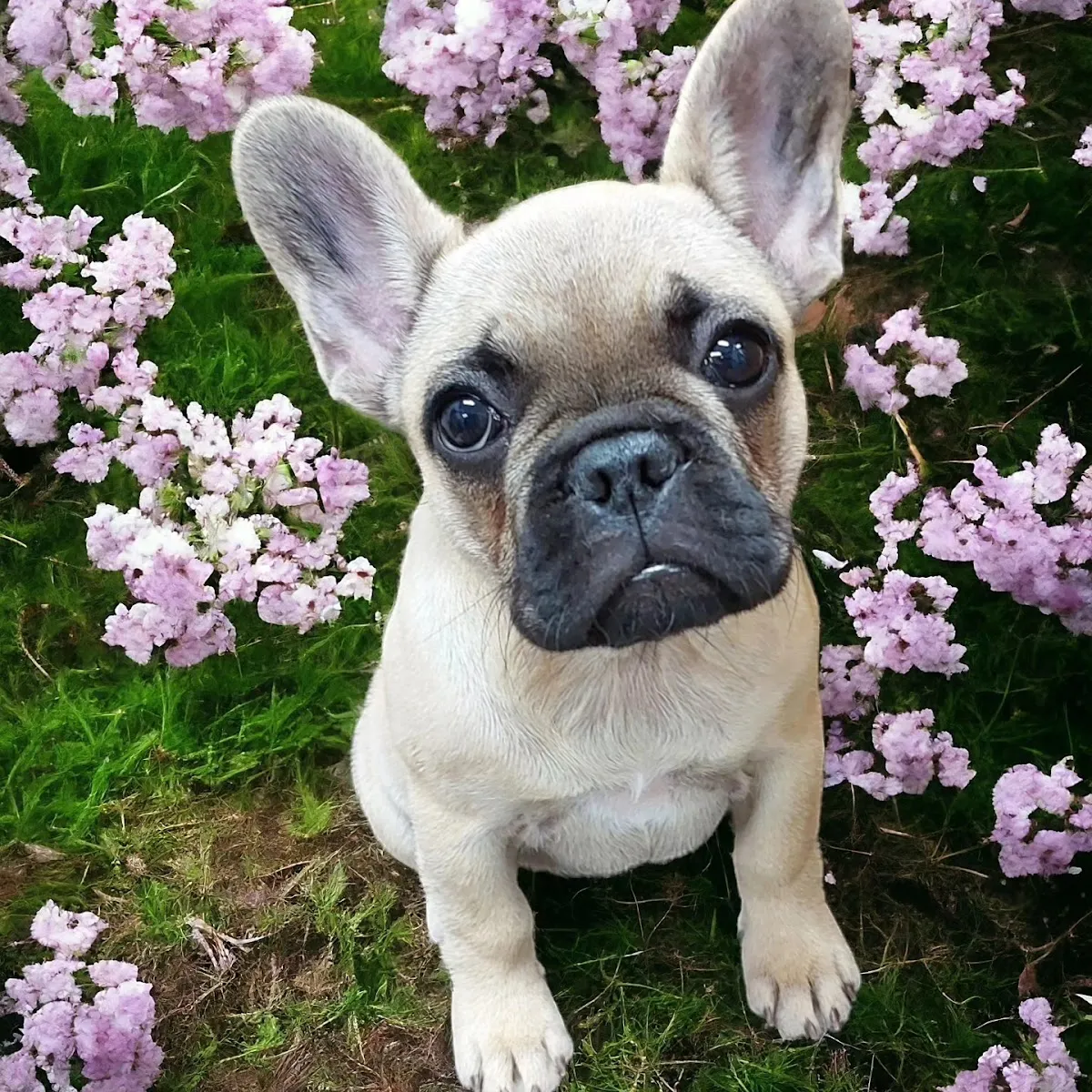 Frenchies are single-coated but skin-fold-prone — the appointment is about skin, not hair. Photo: Le Shaggy Chic Dog Grooming, Heathridge WA — via Groomably
The four things a short-coat appointment is actually for
1. The de-shed and blow-out
The service that justifies the appointment for any double-coated short breed, and the one with no home equivalent.
A professional high-velocity dryer drives a column of air down to the skin and physically pushes loose undercoat out of the coat. It is not a hairdryer and there is no consumer version at a price most owners would pay. Combined with a de-shedding shampoo and conditioner — which hydrate the undercoat so it releases rather than tears — and an undercoat rake, it removes a startling quantity of hair in one visit.
For a labrador or a beagle, two or three de-sheds a year timed to the seasonal drops do more than months of casual brushing. Browse salons offering it on our de-shedding page.
2. Nails
At 17.3% of tagged photos, the most under-rated line on the list, and on short-coat dogs it is frequently the whole reason for the booking.
Overgrown nails are not cosmetic. They change how a dog loads its feet, which over time affects the toes, the wrists and the gait, and in older dogs contributes to real mobility problems. A nail that has grown long enough to touch the ground while standing is already too long.
Every 4–6 weeks is the working interval. Black nails — common on labradors, rottweilers and staffies — hide the quick and are exactly why a lot of owners sensibly hand this one to a professional. See nail trimming.
3. Skin, folds and ears
This is the frenchie, pug and bulldog line, and it is the one that becomes a vet bill when it is skipped.
Facial and tail folds trap moisture, food and skin oils, and the result is a yeast or bacterial infection that smells before it looks like anything. They need to be cleaned and — critically — dried properly, which is the step owners most often miss. A damp fold is the entire problem.
Drop-eared breeds like beagles and cocker-adjacent crosses have the same issue in the ear canal: warm, closed and humid. A groomer checking and cleaning ears at every bath catches infections early.
4. The bath itself
Short coats get dirtier than long coats, which surprises people. There is less hair between the dog and the world, so skin oils, dirt and the distinctive smell sit right at the surface. Labradors swim in things. Beagles roll in things.
A professional bath uses a degreasing shampoo and, more importantly, rinses and dries completely — and on a double coat, complete drying is genuinely hard at home. A short-coated dog that is washed at home and left damp underneath is a hot-spot risk in an Australian summer.
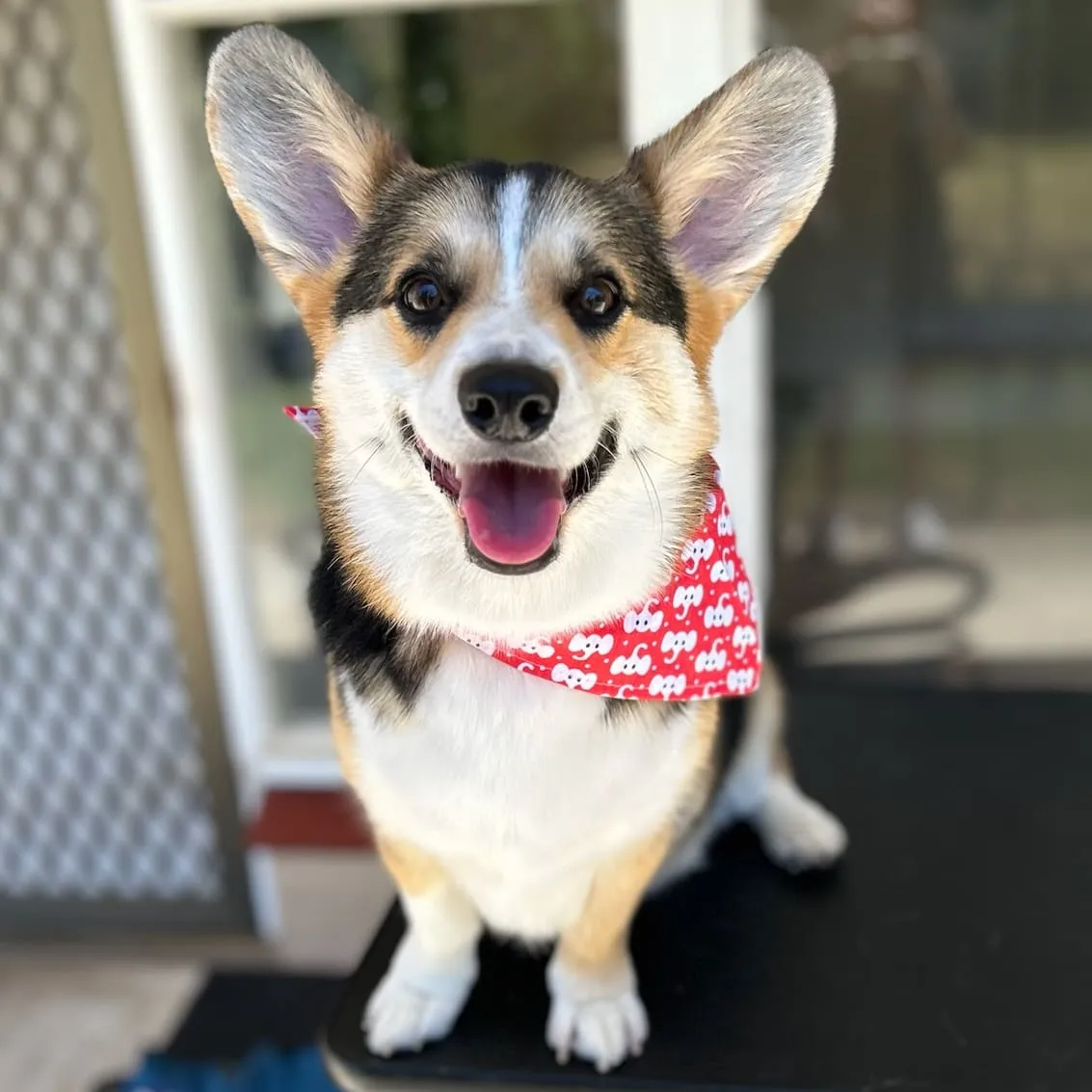 A corgi is short-coated and heavily double-coated — a de-shed dog, not a haircut dog. Photo: Dog Love Grooming, Tranmere SA — via Groomably
Should you ever shave a short-coated dog?
No — and the reasoning is the same as for a husky or other double-coated breed, which surprises owners who assume the rule only applies to fluffy dogs.
On a double-coated short breed the clipper removes the guard coat — the layer providing sun protection and, counter-intuitively, heat insulation — while the dense undercoat sits below the blade and stays. You have taken off the sunshade and left the doona. It does not reduce shedding either; it converts sweepable hair into short prickly fragments that weave into upholstery.
Labradors and corgis are also prone to patchy, woolly regrowth after clipping, and on some dogs it never fully resolves.
The real exceptions are medical: surgical prep, a skin condition needing topical treatment, or severe incontinence in an elderly dog. Otherwise, what cools a short-coated dog is shade, water, a fan, exercise moved to morning and evening — and a properly de-shedded coat, which genuinely does improve airflow to the skin in a way a shave does not.
How often, and what it costs
Professionally:
- Every 8–12 weeks for a double-coated short breed — labrador, beagle, corgi, rottweiler, pug.
- Two or three de-sheds a year on top, timed to the spring and autumn drops, is where the real value sits.
- Every 4–6 weeks for nails, which can be a quick standalone visit rather than a full appointment.
- Single-coated dogs — greyhounds, staffies, whippets — can genuinely stretch to a wash when they need one, plus nails.
At home:
- A rubber curry brush or grooming mitt weekly. On short coats these outperform a slicker, which mostly skates across the top.
- An undercoat rake during a seasonal shed for the double-coated breeds.
- Dry the folds on a frenchie, pug or bulldog after every bath and after swimming.
- Check ears on any drop-eared dog weekly.
On price, a short-coat appointment is usually the cheapest thing on a salon’s menu, because it is a bath-and-dry rather than a scissor-finished groom — but a de-shed on a heavily blown coat is priced closer to a full groom, and fairly so, since it can take longer than clipping a small dog. Our dog grooming cost guide covers how salons build the number.
What to ask for at the salon
The short-coat booking goes wrong in one specific way: the owner asks for a “groom”, the menu is written for coated breeds, and nobody is quite sure what was ordered. Say this instead:
“A bath, a full blow-out and a de-shed, plus nails and ears. No clipping.”
Two practical notes:
- Name the breed when you enquire. A de-shed on a mid-drop labrador takes far longer than a standard bath slot, and salons that do a lot of them will price and book accordingly.
- Ask whether they have a high-velocity dryer. Nearly every salon does, but it is the piece of equipment the entire service depends on, and mobile operators vary.
Frequently asked questions
Do short-haired dogs need grooming? Yes — just not haircuts. In our library 65.5% of tagged short-coat photos are a bath and dry and only 4.0% are a full groom. The appointment is for de-shedding, nails, ears, skin folds and a proper wash and dry.
How often should a labrador be groomed? Every 8–12 weeks for a bath and blow-out, with two or three de-sheds a year timed to the seasonal drops, and nails every 4–6 weeks. Labradors are double-coated and shed heavily despite the short coat.
Should I shave my short-haired dog in summer? No, if it is double-coated. The clipper removes the guard coat that provides sun protection while leaving the insulating undercoat behind, and it does not reduce shedding. Shade, water, a fan and a proper de-shed are what actually help.
Why does my short-haired dog shed so much? Because it is almost certainly double-coated — labradors, beagles, corgis, pugs and rottweilers all carry a dense undercoat that sheds in volume. The hair is short, so it embeds in fabric rather than collecting in visible clumps, which makes it feel worse, not better.
Is a de-shedding treatment worth the money on a short-coated dog? For a double-coated breed, it is the single best-value service on the menu. The high-velocity dryer removes undercoat that is still deep in the coat and has not yet worked loose — which is precisely what home brushing cannot reach.
What about french bulldogs and pugs? Different problem. They are single-coated, so shedding is modest, but the skin folds need regular cleaning and thorough drying or they develop yeast and bacterial infections. For these breeds the appointment is about skin, not hair.
Find a groomer for a short-coated dog
Browse Australian salons on our labrador and french bulldog pages, see salons offering de-shedding, bath and dry or nail trimming, or search the full directory by suburb. Every photo above is a real Australian dog at a real salon, credited to the business that groomed it.


